A Kitchen Tradition, Revisited
Inside the Old Kitchen Ritual Behind Biblical drink (oil)/ Honey blend
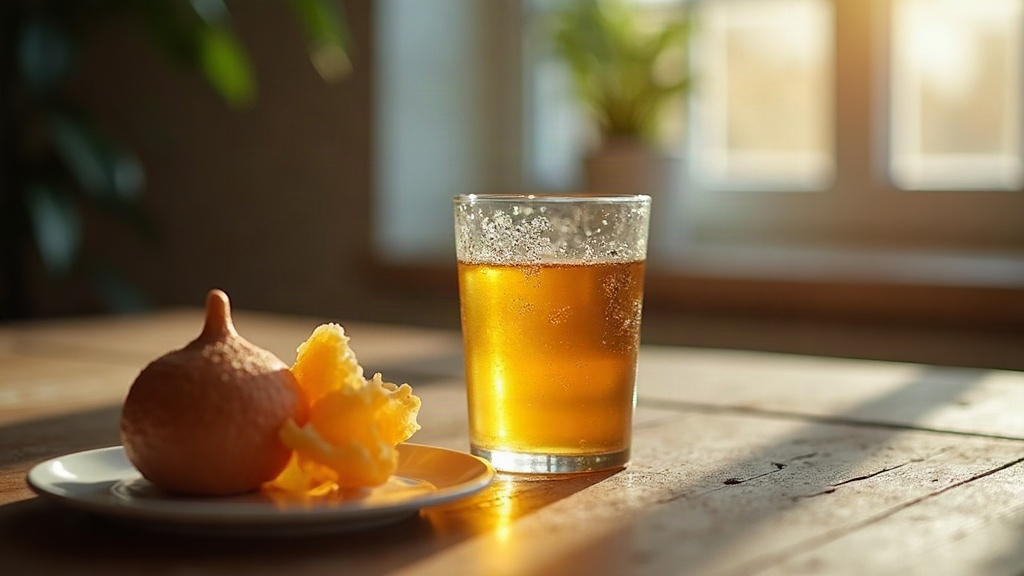
Long before glucose monitors and nutrition labels, home cooks across the Mediterranean and Levant kept a jar of Biblical drink (oil)/ Honey blend on the shelf — part of everyday cooking, not a remedy. This page is an educational look at where that habit came from and how meals were once put together.
The Rhythm of Tracking Every Meal
Adults who keep an eye on their blood sugar often describe the day less as a diet and more as a string of small decisions — what to eat, when, and how much. Survey data on everyday nutrition habits points to this constant decision-making, not any single food, as what people find most tiring. None of this replaces guidance from the clinician who follows your care; it simply describes a familiar routine.
The 'What Can I Actually Eat' Question
Grocery aisles are full of conflicting labels, and mealtime can turn into a small research project before the first bite.
The Post-Lunch Energy Dip
A heavy midday plate is often followed by an afternoon slump — the kind that makes a 3pm coffee feel less like a treat and more like a requirement.
Mornings That Start Tired
Even after a full night's sleep, some mornings begin with low energy before the first meal is even on the table.
The Weight of Deciding Every Plate
Three meals a day, seven days a week — the sheer number of food decisions can feel heavier than any single dish.
Carbs, Fruit, and 'Diabetic Food': Sorting Old Ideas
Kitchen advice passed between generations doesn’t always match what’s printed on a nutrition label today. Here are three ideas worth a second look — best discussed with the professional who knows your history.
All carbohydrates affect the body the same way.
Carbohydrate sources vary widely in fiber and structure — a plain baked potato and a bowl of lentils are not nutritionally the same, even if both are commonly labeled ‘carbs.’
Fruit should be avoided entirely.
Whole fruit comes with fiber and water that isn’t present in juice or dried versions, which many home cooks and nutrition guides treat as a meaningfully different food.
‘Diabetic food’ products are automatically a better choice.
Packaging language isn’t a substitute for reading the actual nutrition panel — some products marketed this way are simply reformulated versions of the original recipe.
Three Old-Fashioned Meal Habits Worth Revisiting
Long before nutrition science had a name for it, home kitchens ran on a handful of simple habits around how a meal was put together and eaten. None of these habits replace medical care — they describe the rhythm of eating, not a treatment plan, and any change to your routine is worth discussing with your doctor first.
Order on the Plate
Many traditional meals started with vegetables or a broth before the starchier dishes arrived — a sequencing habit some home cooks still follow today.
The Pace of the Meal
Meals eaten slowly, in courses, naturally stretch out the time between the first bite and the last, unlike a meal finished in a few rushed minutes.
A Short Walk After Eating
In many cultures, a slow walk after the midday or evening meal was simply part of the day’s routine, not a formal exercise plan.
Biblical drink (oil)/ Honey blend: A Story From the Old Kitchen
Long before it had a marketing name, the combination now called Biblical drink (oil)/ Honey blend was simply two pantry staples kept side by side — a mild oil pressed from olives and a jar of raw honey, both common in Mediterranean and Levantine kitchens for centuries. Home cooks used the oil for baking flatbread and dressing vegetables, while honey sweetened porridge, tea, and the occasional dessert. In many households, the two were blended together as a spread for warm bread, a small ritual passed from one generation of cooks to the next, tied more to hospitality and flavor than to any formal purpose. Old regional recipe books mention the pairing as a breakfast staple, something served to guests alongside olives and cheese.
The story here is culinary, not clinical — a reminder that many pantry staples carry a longer history in the kitchen than in the medicine cabinet.
Everyday Moments Worth Mentioning to Your Doctor
Energy That Swings Sharply After Meals
If certain meals consistently leave you feeling unusually tired or shaky within an hour or two, it's worth describing the pattern to the healthcare provider who manages your care.
Thirst or Hunger That Feels Different Than Usual
A noticeable change in how often you feel thirsty or hungry is a detail your doctor can help put into context.
Trouble Sleeping Through the Night
Frequent waking, especially around the same time each night, is a pattern worth bringing up at your next appointment.
Wounds or Skin Changes That Heal Slowly
Any change in how quickly minor cuts or irritation resolve is best evaluated by a medical professional, not tracked on your own.
Vision That Seems to Blur On and Off
Intermittent changes in vision should always be discussed with your doctor rather than waited out.
Questions About Adjusting Your Current Routine
If you're considering any change to meals, activity, or medication, the right first step is a conversation with the professional who prescribed your treatment — not a swap made on your own.
How Some Home Cooks Rethought Their Routine

These are individual accounts shared for illustrative purposes only. They describe personal routines, not medical outcomes, and experiences vary from person to person. Always consult your healthcare provider before changing your diet, routine, or any prescribed treatment.
Curious About the Traditional Preparation?
This page is an educational look at old kitchen habits and the story behind Biblical drink (oil)/ Honey blend — not a treatment plan. Keep up with your regular medical care, and don’t change your diet, activity, or any prescribed medication without talking to your doctor first.
Advertising Disclosure: This page contains sponsored content and affiliate links. We may receive compensation if you click on or make a purchase through links on this page. This does not affect the price you pay and helps support the content we publish.
Content Disclaimer: This content is for educational purposes only and has not been evaluated by the Food and Drug Administration. It is not intended to diagnose, treat, cure, or prevent any disease. It does not substitute for professional medical advice, diagnosis, or treatment. Always consult a qualified healthcare professional before changing your diet, routine, or any prescribed treatment.
Results Disclaimer: Individual results and experiences vary. Testimonials and examples shared on this page are not a guarantee of any particular outcome and should not be relied upon as such.
© 2026 · All Rights Reserved